

Price monitoring tools vary in features. Your use case determines which tool will meet your workflow requirements. To find minimum advertised price (MAP) violators, you need evidence along with the seller’s information. If you sell on Shopify, you want a solution that can track your competitors’ pricing on rival sites. Meanwhile, a simple browser extension can work if you just want to track a product's pricing on Amazon.
In this article, we researched and listed the best price monitoring tools for 2026 for different use cases to help you pick the right tool for your requirements.
Best price monitoring tools compared
Based on our research and testing, here are the top price monitoring tools.
| Tool | Best for | Monitoring vs repricing | Channels | Free tier | Starts at |
|---|---|---|---|---|---|
| Prisync | Small and medium-sized retailers | Both | Amazon, Google Shopping, Shopify | No | $99/month |
| Competera | Enterprise retailers | Both | Thousands of competitors’ sites | No | Quote only |
| Price2Spy | Brands tracking MAP | Both | Shopify, BigCommerce, WooCommerce | No | Quote only |
| Wiser | Brands and marketplace sellers needing near-live data | Both | Broad retailer and digital shelf coverage | No | Quote only |
| Keepa | Amazon sellers and deal hunters | Monitoring | Amazon | Yes | €29/month |
| Repricer.com | Amazon sellers chasing Buy Box | Both | Amazon, eBay, Walmart, Shopify | No | $99/month |
| Pricefy | Small businesses on a budget | Both | Multi-country, multi-marketplace | Yes | $37/month |
| Browse AI | Small businesses needing custom scraping | Monitoring | Amazon, eBay, Etsy, Best Buy and more | Yes | $19/month |
| CamelCamelCamel | Amazon shoppers | Monitoring | Amazon | Yes | Free |
| Karma | Multi-retailer shoppers | Monitoring | Many retailers | Yes | Free |
Best price monitoring tools for online retailers
Online retailers need to know what their competitors charge so that they can set competitive pricing. In our research, two price monitoring solutions stood out. They offer monitoring at different scales: one focuses on small businesses and the other on enterprise.
Prisync
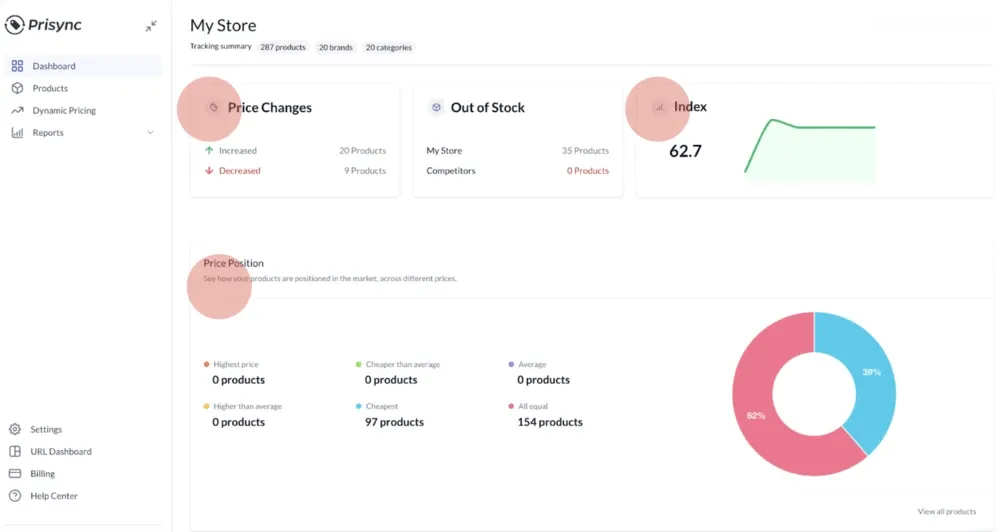
Prisync is an AI-powered price automation platform. It lets you optimize prices to maintain consistency across all sales channels, including Shopify, Amazon, and Google Shopping.
Best of all, you don’t have to set prices manually. It automatically adjusts your products' pricing based on real-time demand, competitor pricing, and broader market signals.
API access lets you pull competitors’ pricing data straight into your ERP, BI, or repricing system. But you have to pay 20% extra on top of your monthly subscription fee for API access.
Key features
- Unlimited competitor tracking enables you to track as many rival sellers as you want, with no cap tied to your subscription plan.
- Frequent price updates (three times a day for manually added competitors, daily for channel-sourced products) recheck competitors’ pricing at regular intervals to offer you the most current information.
- Price history provides you with data on how your competitors’ prices have moved over time. This helps you figure out promo cycles and undercutting patterns.
- Price positioning comparison helps you understand how your pricing stacks up against your competitors. As a result, you can set your pricing more strategically.
Prisync cost: Prisync offers three pricing models: URL-based, channel-based, and hybrid. The entry-level plan costs $99 per month for URL-based, $199 for channel-based, and $299 for hybrid.
Dynamic pricing and marketplace price tracking are available in Premium and Platinum plans. The entry-level Professional plan covers basic product monitoring. All plans come with a 14-day free trial.
Competera
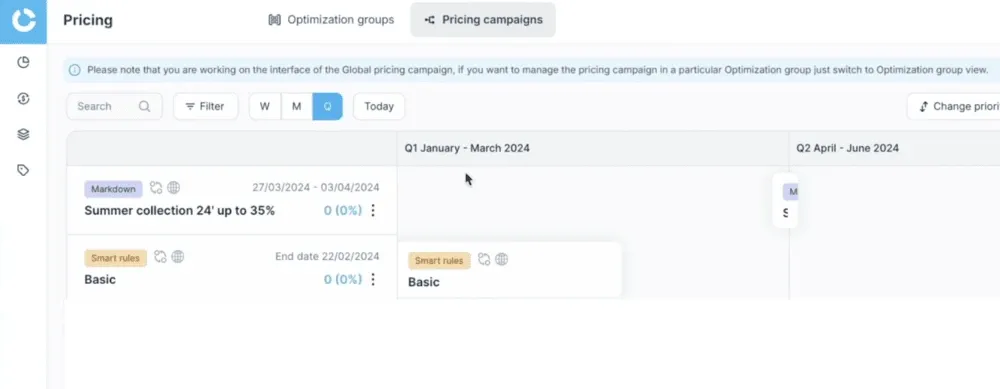
Unlike Prisync, which caters to small online retailers, Competera targets enterprise retailers. Its pricing platform uses multiple ML models to offer you customer behavior insights, so you can make informed pricing decisions.
You can also run real-time simulations of alternative pricing strategies in a few clicks. Competera also lets you know who you compete with in every category, channel, and store group. So you can set precise, competitive pricing.
Key features
- Discovery of the ideal number of price differentiations across countries, regions, channels, and stores, so you can set prices customers are willing to pay.
- Price tracking from thousands of competitor websites.
- Insights into customers’ purchasing patterns, such as what they add first to their shopping carts and what additional items they purchase. This helps you tailor your pricing strategy.
- Pricing recommendations based on 20+ pricing drivers.
- Professional support from pricing experts if you have questions about your pricing strategy.
Competera cost: Competera hasn't published any pricing details for its AI pricing platform. You need to request a quote to get the details.
Best price monitoring tools for brands and manufacturers
Brands have different problems from retailers. You need competitor prices, but you also need to know your own retailers aren't undercutting you. The following two tools handle both.
Price2Spy
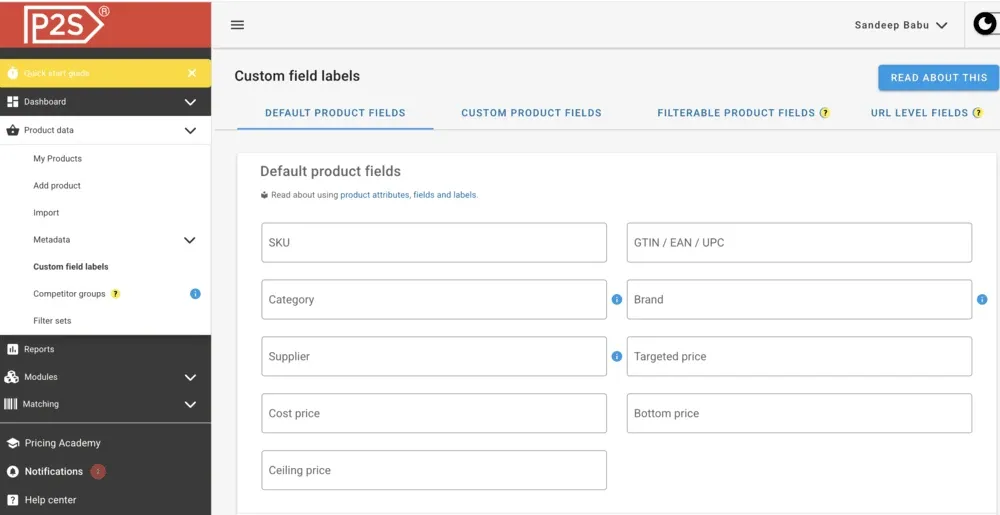
For brands that want to track whether retailers adhere to agreed prices or how competitors respond to market changes, Price2Spy is a good option. It leverages AI-enhanced monitoring to collect and update all competitive pricing and product data.
What’s more, Price2Spy can detect products in your store that require a price change. And it will automatically change the price once you confirm the change. Ready-to-use integrations are available for popular ecommerce platforms, such as Shopify, BigCommerce, and WooCommerce.
Key features
- MAP monitoring to help you detect violations and maintain price consistency across online stores and marketplaces.
- Rule-based repricing strategy builder (a paid add-on) lets you customize, implement, or automate any repricing formula.
- Detailed price history to help you know which retailer started discounting and when.
- Competitor price checks up to 8 times per day on the top-tier Premium plan.
Price2Spy cost: Price2Spy has three tiers: Starter, Basic, and Premium. Starter and Basic carry a base monthly cost, while Premium is custom-quoted. Either way, that's only the base.
Modules, services, and usage-based add-ons are billed on top. Price2Spy doesn't publish plan prices on its site, so you'll need to contact them for a quote. A 14-day free trial is available.
Wiser
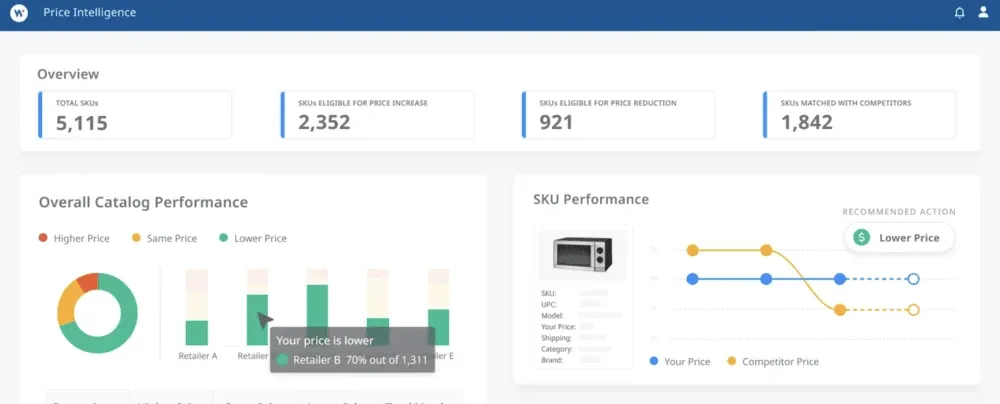
If you want to improve touchpoints for your brand and boost sales, Wiser is worth exploring. It offers reliable pricing intelligence, market data, and MAP enforcement, serving ecommerce brands, marketplace sellers, and retailers.
It provides you with easy-to-understand data on your products, competitors, and categories multiple times a day. With its comprehensive monitoring of digital shelves across major retailers, you can build a consistent brand experience for your shoppers.
Key features
- A refresh schedule as often as every 15 minutes lets you track competitors’ near-live pricing.
- Promo cadence monitoring helps you understand your competitors’ discount cycles and depth, so you can better plan your promotional strategy.
- Historical pricing data provides category and retailer trends over time.
- Automated MAP monitoring flags retailers selling below MAP and lets you send templated warning notices to violators
- Full category tracking gives you detailed market context. You can tell whether price movement reflects a wider category trend or just noise from a few sellers.
Wiser cost: Wiser hasn’t published pricing details. You’ll need to contact the company for a pricing quote.
Best for Amazon and marketplace sellers
Being a successful Amazon seller means acing the pricing game. You need historical pricing data and automation to stay ahead of your competitors. The following tools help you do that.
Keepa
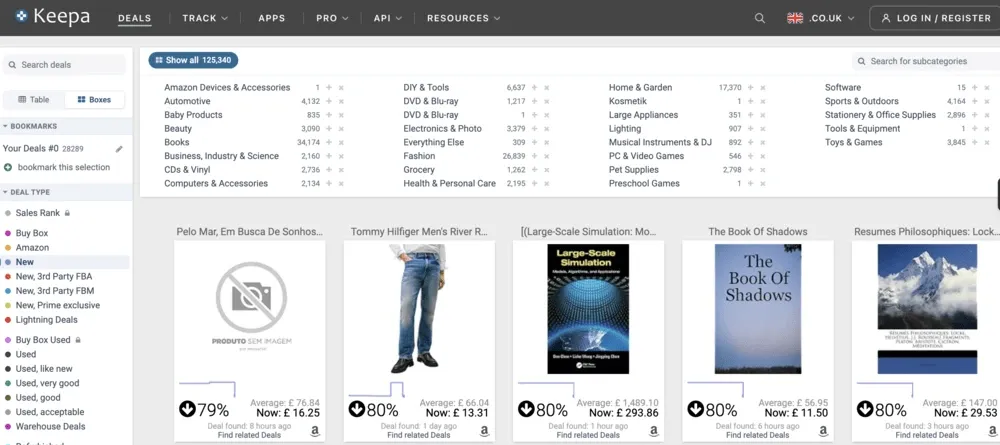
Keepa is helpful to both Amazon retailers and shoppers. As a shopper, you can track product prices and check pricing history to buy products when the price drops.
Keepa has free extensions for popular browsers, such as Chrome, Firefox, Edge, and Opera. The free version covers a regular shopper's needs: price history charts and price-drop alerts.
If you work as an Amazon retailer, Keepa gives you access to the Amazon product database. You can track sales, rank products, find profitable products, and monitor competitor stock levels. You can also visualize sales rank, offer counts, and rating/review counts in advanced graphs.
Key features
- Price history charts for over 7 billion Amazon products, so you can have deeper competitive insight for your store.
- Custom price watches track products and alert you when prices drop below your set numbers.
- Compare and track international Amazon prices for all supported stores.
- The product viewer feature lets you import/export lists to analyze pricing in bulk.
- List of the top sellers and best-selling products in every Amazon category.
Keepa cost: Keepa Pro costs €29 a month. For the Keepa API, the starter plan costs €49/month, and you get 20 tokens per minute. A limited free plan lets you check price history charts and price drops.
Repricer.com
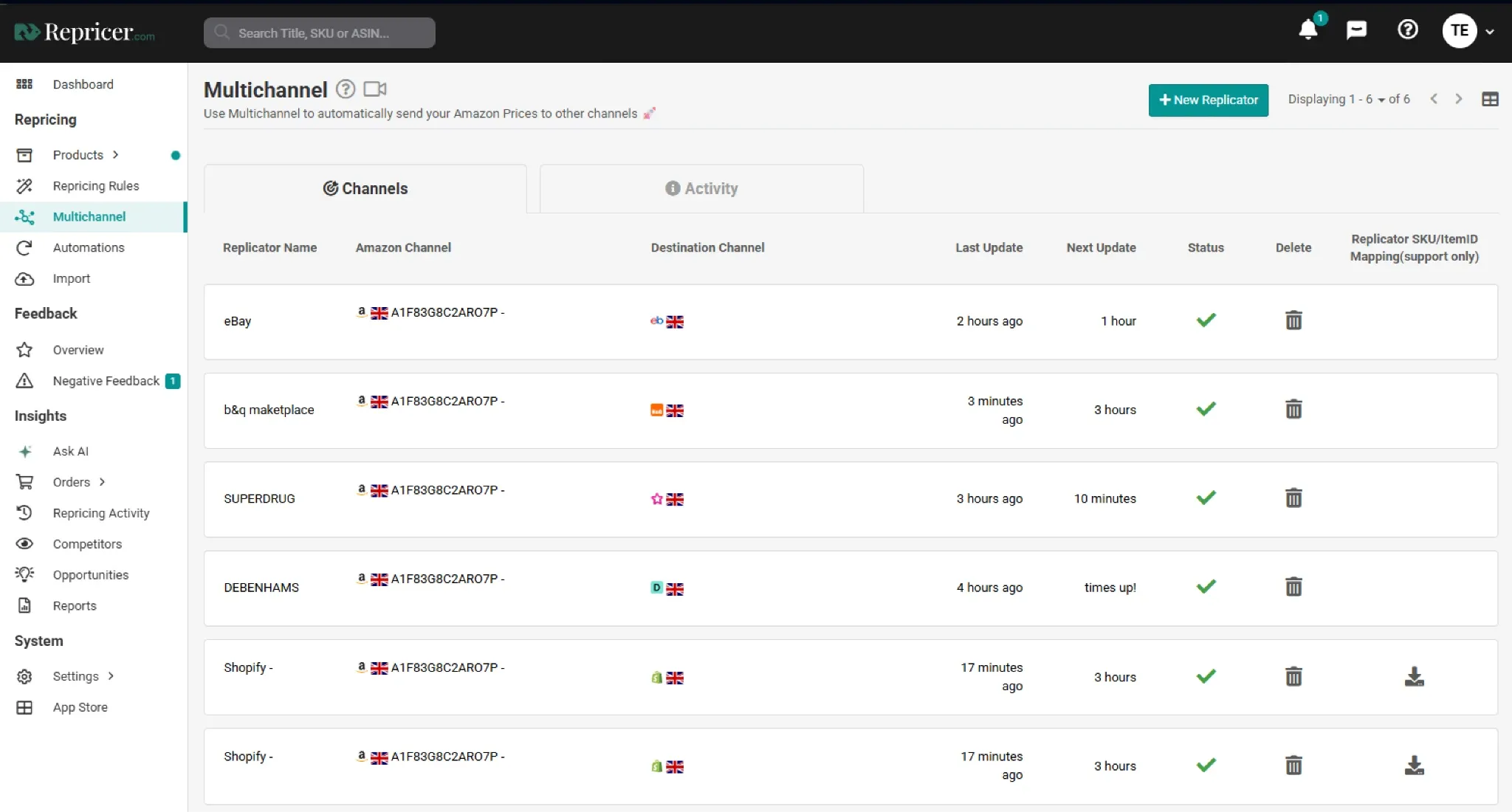
While Keepa is focused on both individual buyers and retailers, Repricer.com targets online retailers only. Its core strength lies in helping Amazon retailers win more Buy Boxes (Featured Offers).
With Repricer.com, you can keep tabs on how your competitors are performing on Amazon overall, not just their pricing. If they run out of stock, it will let you know.
It reprices directly through Amazon's API, so price changes apply instantly and continuously rather than on a delay. It also examines your Amazon store data and suggests opportunities to grow sales and increase profits.
Key features
- The Buy Box eligibility feature automatically keeps you within Amazon’s Buy Box price limits.
- Identifies products with a high/low probability of winning the Buy Box.
- The Sync feature enables you to mirror pricing across channels, such as eBay, Walmart, and Shopify.
- Track your top rivals so you can tweak your pricing strategy to win customers.
- Templates, bulk tools, and dashboards help you outperform your competitors.
Repricer.com cost: Repricer.com’s paid plans start at $99/month, billed annually ($109/month, billed monthly). Higher-tier plans include AI price optimization, Buy Box optimizer, and Buy Box chaser features. All plans (except Custom) come with a 14-day free trial.
Best for small businesses on a budget
With a starting plan below $50/month, these price monitoring tools suit small businesses on a budget.
Pricefy
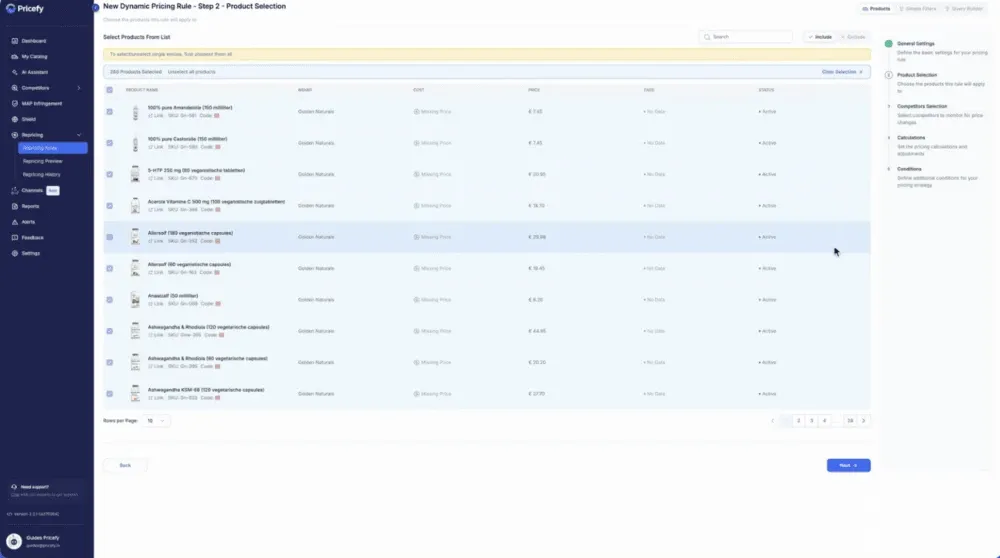
Pricefy is trusted by 10,000+ ecommerce businesses. You can connect your store with Pricefy in one click. It matches your products with competitors using AI and tracks competitors’ prices in real time. It lets you create custom competitor reports in CSV, Excel, or XML.
You can also schedule these reports so your team stays up to date on pricing movements. You can also connect your own app with Pricefy using its REST API.
Key features
- Tracking competitors’ pricing across countries, currencies, and marketplaces.
- AI-powered product matching to automatically match your products to competitor listings. So you don’t have to enter URLs manually.
- Rule-based dynamic pricing (available in Pro and higher plans) to automate your repricing strategy. It will automatically reprice your catalog once you define your pricing rules and set price floors to protect margins.
- Instant, daily, and weekly alerts for competitors’ pricing changes.
- Reseller monitoring lets you map the sellers of your products online. It helps you find unauthorized sellers in your network and gather the details you need to act against them.
Pricefy cost: Pricefy’s premium plan starts at $37/month billed annually ($49 for monthly billing). A forever-free plan is also available with limited competitor tracking.
Browse AI
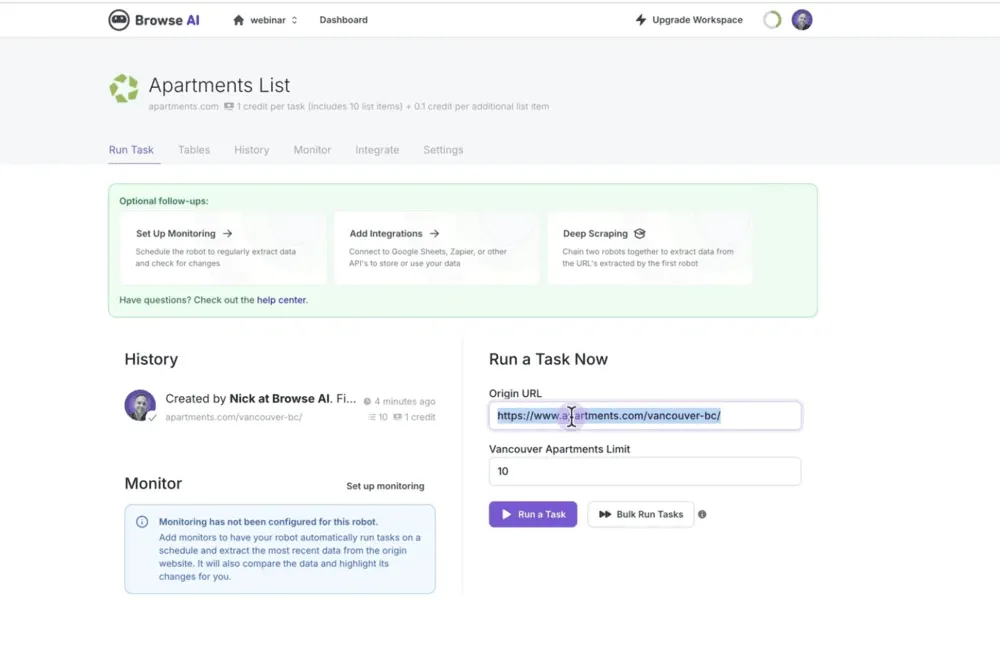
Browse AI is a scraping and monitoring tool to get data from competitors’ websites at scale. You can schedule data extraction and web monitoring to run hourly, daily, weekly, or monthly. It mimics human actions on web pages, so it can successfully scrape dynamic content from search bars, drop-downs, form fields, and more.
It shows price changes for every drop, hike, and promo, alerting you when competitors price their products below yours. To help you start in one click, Browse AI offers pre-built robots for popular ecommerce websites, such as Amazon, eBay, Etsy, Best Buy, and more.
Key features
- AI agents track website changes, including data updates, content changes, and visual updates.
- Workflow and automation that let you track thousands of websites in just a few clicks.
- 7,000+ integrations supported so you can send data to almost any app.
- Stock and availability tracking across retailers and marketplaces.
- The new listing alert feature sends you notifications when a competitor lists a new product in your category.
Browse AI cost: Browse AI has a free plan that lets you track 2 websites. Its premium plans start at $19/month billed annually ($48 month-to-month).
Best for consumers and deal-hunters
We have listed two popular price monitoring tools for consumers and deal hunters. Though these tools target consumers mainly, retailers can also use them to plan their pricing strategies.
CamelCamelCamel
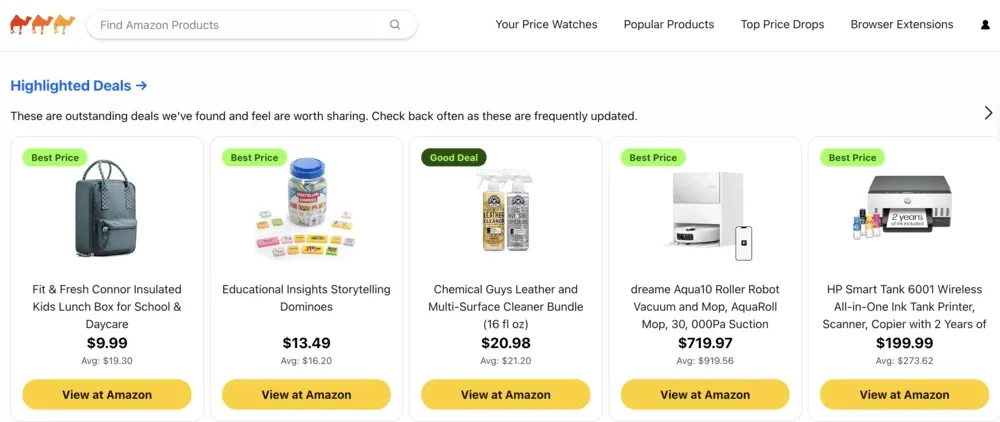
If you love Amazon shopping, CamelCamelCamel is our top pick. It lets you track pricing of Amazon products across 8 local markets, such as Germany, Italy, the US, and the UK. In addition to tracking prices, the website features top price drops and top-selling products. So you can plan your shopping strategically.
If you’re a retailer on Amazon, you can use this data to better plan your pricing strategy. It offers a free browser add-on (The Camelizer) for Google Chrome, Microsoft Edge, Mozilla Firefox, and Opera
Key features
- Price drop alerts let you know when your chosen products’ prices meet your set thresholds.
- The price history chart helps you understand price movements of products over time so you can better plan your shopping.
- Localization support for Germany, Canada, France, Italy, Spain, Japan, the United States, and the United Kingdom.
- Wishlist support feature lets you import from any public Amazon list (wishlist or otherwise). You just have to share the URL of the list.
CamelCamelCamel cost: It’s absolutely free to use this tool. The site monetizes through affiliate commissions.
Karma
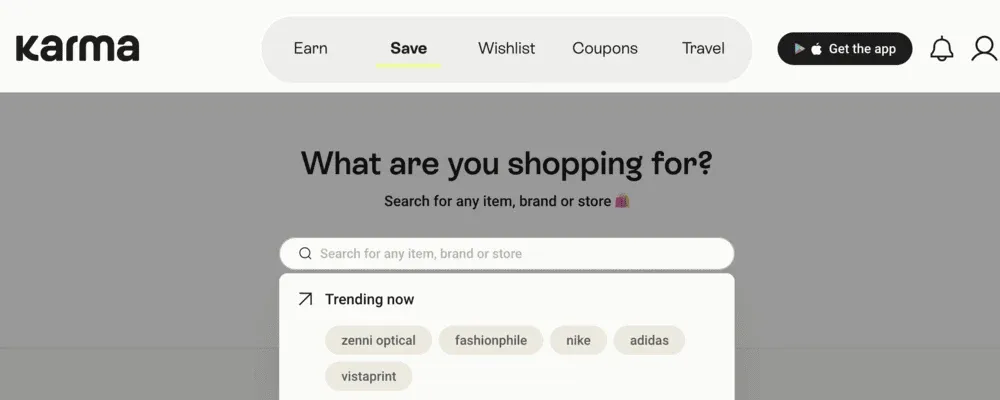
Like CamelCamelCamel, Karma targets retail shoppers. But it focuses more on leveraging AI to offer a smooth shopping experience to buyers. It also covers more retailers than CamelCamelCamel, which focuses mainly on Amazon.
Karma lets you save products you want to buy in a wishlist. If the prices of your saved products drop, you’ll get notifications. So you can buy products at low prices. Moreover, if there are any discount coupons available, Karma will automatically apply them.
The Karma browser extension is available for Chrome, Safari, and Firefox. The mobile app is available for Android and iOS.
Key features
- Real-time alerts to inform you when your favorite products’ prices drop, so you can save money on your purchases.
- Historical price tracking to view past pricing trends. This helps you make informed buying decisions.
- Multi-site comparisons help you compare prices across multiple retailers instantly.
- Custom price thresholds let you set desired prices. You’ll get notifications when the thresholds are met.
Karma cost: Karma is free to use.
How to choose a price monitoring tool
Here are some quick tips to start your search for the right price monitoring tool.
- Understand your needs: Do you need to track products on Amazon only or multiple marketplaces and stores? Do you have to find MAP violators? Make a list of your requirements before you start your research.
- Check the monitoring frequency: Monitoring tools track price changes at varied intervals. So know beforehand what monitoring frequency your use case demands.
- Test the product matching method: Ask how the tool links your products to competitor listings. Some need a shared product code, which breaks down on private-label goods and fashion. Others match on titles and images, which is often a paid extra.
- Decide between monitoring and repricing: Do you want to monitor prices only? Or do you want a tool that can reprice as well? Knowing your needs beforehand can help you avoid paying for a feature you wouldn't use.
- Weigh the price and scalability: Vendors price their tools based on factors such as SKUs tracked, number of marketplaces, refresh frequency, etc. And cost can go up quickly when you add a country or move from daily to hourly checks. So you should consider these factors when doing research for a monitoring tool.
Can you use open-source tools to build a free price monitor?
Yes, you can do it, but there are caveats. The easiest open-source route is using Changedetection.io. It has over 34K GitHub stars. It can monitor websites for updates and send notifications via Email, Discord, Slack, and more. It costs nothing, but you have to host it and maintain it. The team behind it also sells a hosted version, but that's a vendor subscription, not the open-source tool.
Another route is building your own monitor with a Python scraper. Use Scrapy for high-volume crawling, and Playwright when the price is rendered by JavaScript. Most setups end up using both. You'll need job scheduling, per-site parsing rules, a database for price history, and an alerting layer.
Whichever route you choose, you will need developer resources to build a monitoring tool. So build only if no vendor covers your sources, your data can't leave your infrastructure, or your SKU volume makes subscriptions cost more than an engineer.
One thing to note: scraping prices at any real scale risks getting blocked. So a self-built monitor needs a reliable proxy layer underneath it. Free proxy lists are too unstable to run on.
We offer reliable residential proxies at $3.25/GB and datacenter proxies at $2.00/IP. Our Smartpath feature reduces proxy costs by routing requests through datacenter IPs when residential proxies aren't required. A REST API is also available for seamless access. We offer ethically sourced proxies.
Start with 1 GB of free residential data after a quick KYC check. No credit card required.